


How to Prevent a Stroke
May 4, 2023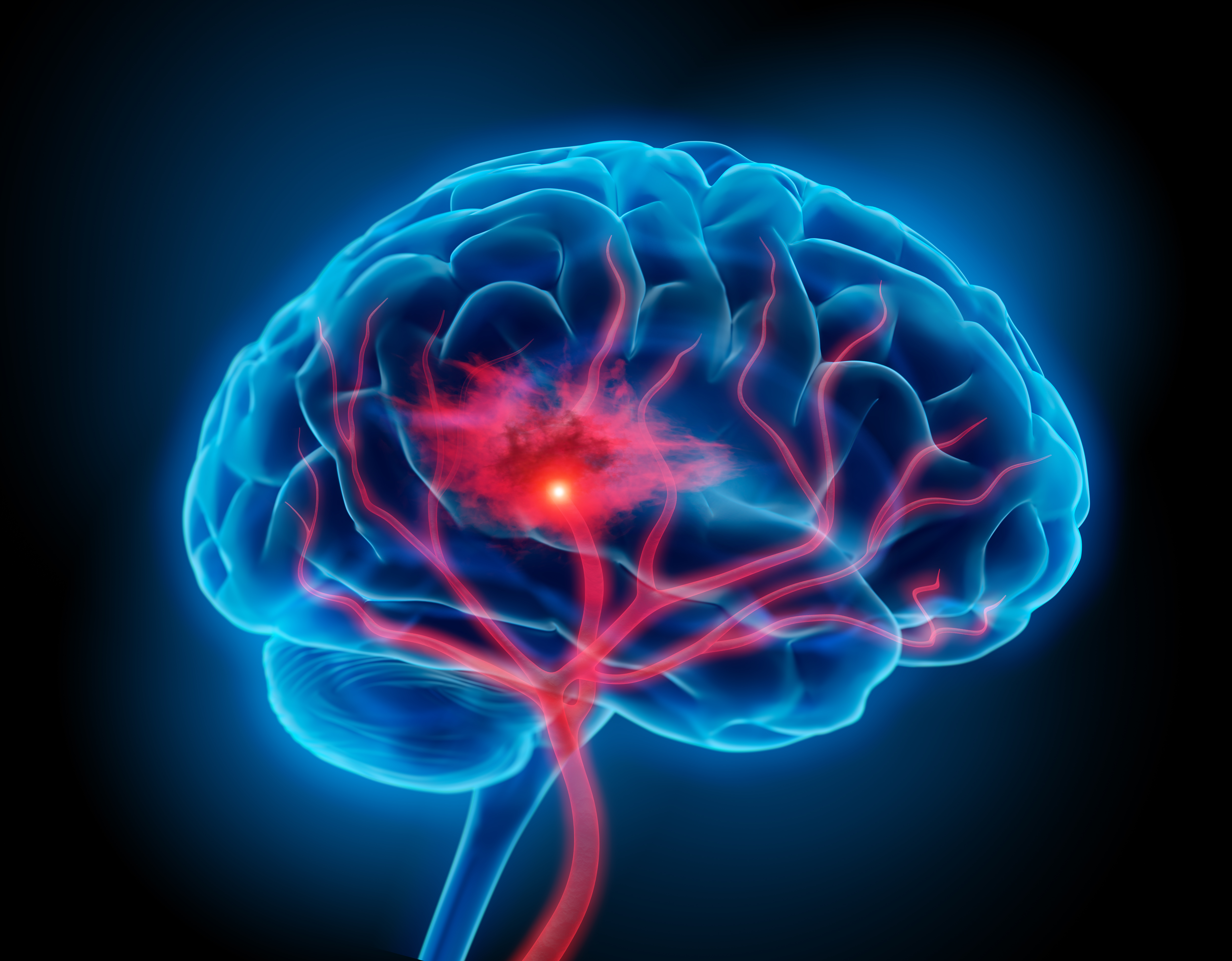
Let’s start with five basic facts about stroke:
- You can take steps to reduce the risk of stroke even if you have a genetic predisposition.
- The #1 risk for stroke is high blood pressure (hypertension), often resulting from diabetes, atrial fibrillation, or high cholesterol.
- 80% of primary (first) strokes may be preventable if a patient modifies their risk factors before the stroke.
- Nearly one in four patients who had a stroke will have a second stroke in their lifetime.
- Stroke is the fourth-leading cause of death in the United States.
You can’t change who you are (your genetic predisposition) but modifying your risk factors is vitally important. The key is knowing the signs and symptoms of a stroke and your personal risk factors. That’s why it is essential for people to do all they can to prevent a first stroke by living a healthy lifestyle.
A Healthy Lifestyle
1. Establish a relationship with a primary care provider.
The most important factor in living a healthy lifestyle is having a primary care provider (PCP). That’s because you may not know you have a condition that could lead to a stroke if you do not have regular check-ups.
It can be difficult to control your blood pressure or cholesterol (two stroke risk factors) if you are not on medication, which only a licensed health care provider, like your PCP, can prescribe.
Another point to remember: If you have a medical condition, take your medications. If you are not feeling good on a medication, don’t stop taking it without telling your PCP. And tell your PCP about all of the supplements you take, too.
If you need a PCP, Trinity Health offers access to more than 60 primary care locations across Michigan, making it easier than ever to get care close to home. Browse all primary care providers and schedule an appointment.
2. Control your blood pressure.
Monitor your blood pressure and take your medication for hypertension. If you do not think your medication is working, contact your PCP to help you get it under control. The ideal blood pressure reading is lower than 120/80.
3. Don’t smoke or vape.
If you are a smoker, take advantage of the many resources for smoking cessation. Smoking not only puts you at risk of having a stroke, but it also increases the likelihood of certain cancers and cardiovascular diseases.
4. Get regular exercise.
Exercise is a “stroke reducer,” according to Harvard Health Publishing. The National Institutes of Health affirm that “physical activity is associated with reductions in blood pressure and in the risk of developing hypertension (high blood pressure) in healthy individuals.”
When possible, get both aerobic and anaerobic exercise. Taking 8,000 to 10,000 steps per day is advice I give my patients.
5. Eat a healthy diet.
When you think about food, consider the portions you consume and the contents of the meal. A Mediterranean diet offers health benefits that are evidence-based. Added fat in this diet comes from olive oil, which lowers total cholesterol and low-density lipoprotein (or "bad") cholesterol levels,” Ideally, your LDL (Low-density lipoprotein) should be less than 100.
Nuts and seeds are also part of the Mediterranean diet and they, too, are sources of monounsaturated fat.
When it comes to alcohol, consume it in moderation.
Long-term Effects of Stroke
Another fact to remember: Stroke is a leading cause of serious long-term disability.
Once brain cells have died, there is no way to replace them. The impairments that can result from stroke are not just physical but also cognitive, such as memory and dementia problems, and depression and anxiety.
Each person’s recovery from a stroke is unique. Some patients fully recovery, but others experience long-term disabilities. Medications and therapies for patients following a stroke have come a long way. But when problems persist, they may limit a person’s ability to move, speak, swallow, think clearly, and remain independent.
Watch Time is Brain: The Timeline of a Stroke
With stroke, time is brain — meaning time is of the essence when treating a stroke. Kasim Qureshi, MD, Trinity Health Medical Group Neurology, shares more about what happens to the brain during a stroke.
Are You at Risk for Stroke?
Learn if you’re at a higher risk for a stoke with our quick, Health Risk Assessment. Gain personalized insights on how to reduce the likelihood of stroke.
Learn more about our Stroke and Cerebrovascular Disease programs.

Let's take a closer look at your risk...
Take control of your health by understanding your risk factors. Our quick Stroke Health Risk Assessment provides personalized insights to help you learn what you can do to reduce your risk.
Take the First Step